
01 / COVERAGE
Coating presence & coverage
Identify areas to coat, keep-out areas and acceptance criteria. Inspection feasibility must be evaluated using your material and product samples.
Discuss coverage inspectionPEMTRON · COATING INSPECTION
Tell us which coated or uncoated areas and conditions you need to inspect. Discuss line additions or standalone inspection. Thickness measurement requires a separate review of the model, options and material.
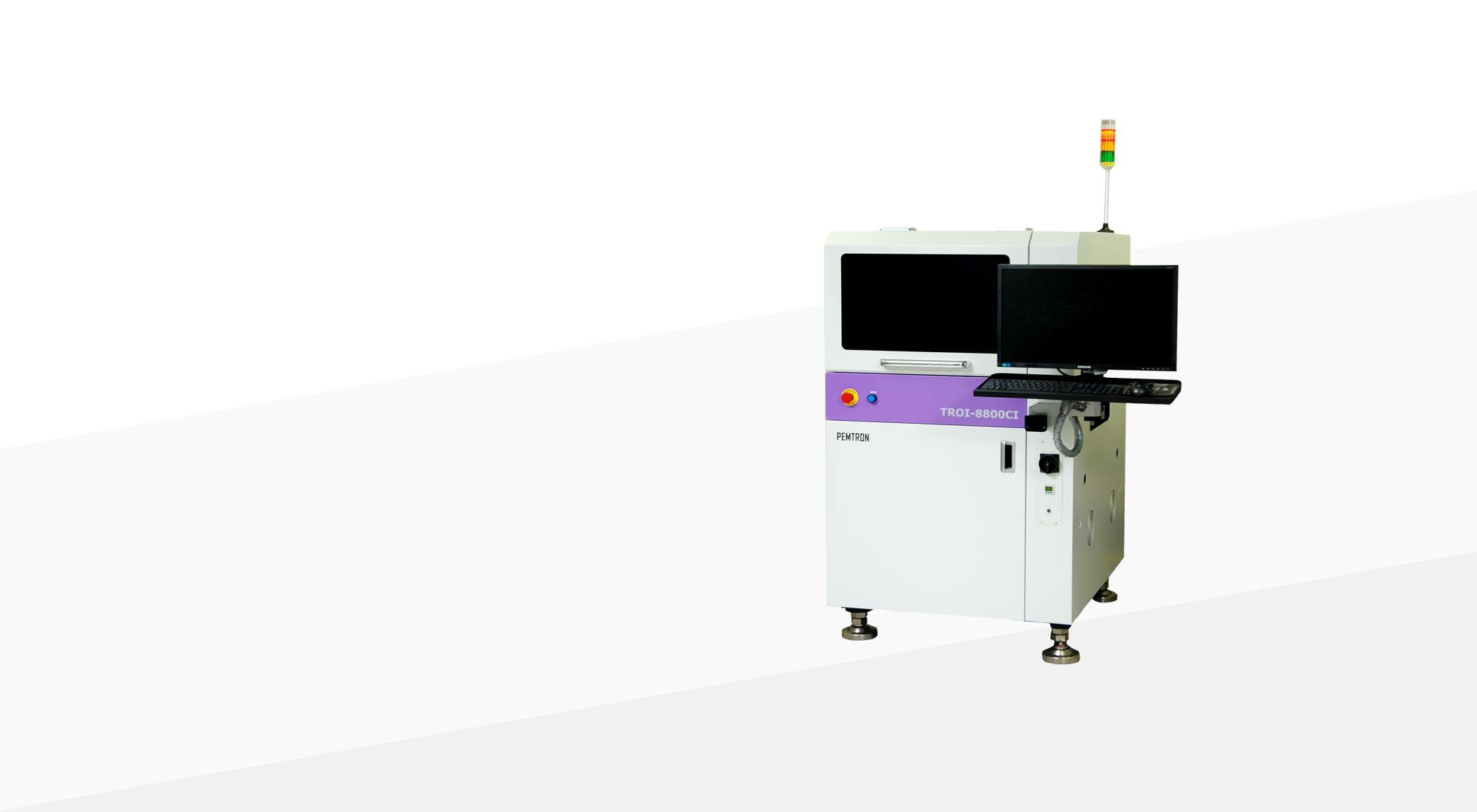
PEMTRON product photograph · Configuration, appearance and options confirmed individually
Manufacturer product information ↗YOUR INSPECTION PURPOSE
01 / COVERAGE
Identify areas to coat, keep-out areas and acceptance criteria. Inspection feasibility must be evaluated using your material and product samples.
Discuss coverage inspection02 / QUALITY
Share the conditions to distinguish and examples of acceptable and defective products. Detection scope and limitations are reviewed with the manufacturer.
Discuss inspection requirements03 / MEASUREMENT
Define measurement objectives, locations and required criteria. Feature availability, options and measurement conditions need separate confirmation.
Discuss thickness measurementThese categories help define your inspection objectives. Inspection capability, thickness measurement availability and required options must be confirmed for the model, material and sample conditions.
BEFORE APPLICATION
Material, coating condition, acceptance criteria and products to evaluate
Existing coating equipment, available space and upstream and downstream connections
Required records, identification, data integration and responsible providers
Sample evaluation, installation, training and after-sales support terms and scope
Customers using other manufacturers' coating equipment can also inquire. Space, conveying, data integration and other existing-line conditions are reviewed with the manufacturer.
PEMTRON · MODEL GUIDE
Model and option guidance based on manufacturer product materials.
Manufacturer materials describe Gerber-based configuration of coated, uncoated and excluded areas, and inline inspection. Actual inspection targets and acceptance criteria require confirmation with the product, material and samples.
Thickness measurement, AI bubble inspection, side-camera inspection, an internal inverter and equipment integration require individual confirmation of need and configuration. They are not all standard features.
Define PCB and material conditions, inspection objectives and acceptance criteria, then review space, conveying and data integration. Final specifications and applicability depend on manufacturer confirmation and the agreed sample evaluation.
Source: PEMTRON TROI 8800 CI_2026(KR), pp. 1–2. Specifications may change. This guidance does not establish suitability for a particular material or automotive electronics product, or certify compliance.
QUESTIONS
Coverage inspection is described using UV images to configure coated, uncoated and excluded areas. Image brightness is not directly treated as a thickness value. Thickness measurement requires a separate module and material conditions; the described principle takes the material's refractive index into account. Discuss sample evaluation using your coating material, measurement locations and target thickness.
Manufacturer materials describe bubble inspection using UV image brightness differences and AI-based classification. Application review considers the material's UV response, bubble shape and size, acceptance criteria and sample condition. AI configuration, training and evaluation require separate agreement; detection of every bubble or a fixed accuracy is not guaranteed.
Manufacturer materials describe recirculation with an external inverter and configurations using an internal inverter. Required equipment is reviewed against line entry and exit directions, PCB and component heights on both sides, and whether inversion is possible. Inversion equipment is not standard on every model.
Repeatability, comparison measurements and inspection-time examples relate to the specific samples and test conditions shown. They are not performance guarantees for your products or automotive electronics certification. Evaluation requires an agreed model, options, material, PCB, measurement locations and acceptance criteria.
Share your material and coating process, the areas or conditions to inspect, and acceptance criteria. Distinguish coverage checks, condition classification and thickness measurement needs. Include space, conveying and data integration requirements. Capability and options are confirmed after model, material and sample review. Agree the scope and method before sending drawings, confidential customer data or samples.
Standalone coating inspection can be discussed. Actual installation, conveying, applicability and scope are agreed after reviewing the manufacturer and site information.
START WITH YOUR REQUIREMENTS
Tell us your objective and current coating process.